Hidden garden maintenance charges in Carshalton what to know
If you have ever agreed to a garden quote and then seen the final invoice creep up, you will know how frustrating hidden garden maintenance charges can be. In Carshalton, where gardens range from neat courtyard spaces to bigger family plots with hedges, lawns and awkward side access, the small print matters. This guide explains Hidden garden maintenance charges in Carshalton what to know in plain English, so you can spot extras early, compare quotes properly, and avoid paying for work you did not expect.
We will walk through how charges are usually structured, which add-ons tend to appear later, when a higher price is actually fair, and how to ask the right questions before any work begins. There is a practical checklist too. Because let's face it, nobody wants a surprise charge for "green waste" that was never mentioned over the phone.
Table of Contents
- Why Hidden garden maintenance charges in Carshalton what to know Matters
- How Hidden garden maintenance charges in Carshalton what to know Works
- Key Benefits and Practical Advantages
- Who This Is For and When It Makes Sense
- Step-by-Step Guidance
- Expert Tips for Better Results
- Common Mistakes to Avoid
- Tools, Resources and Recommendations
- Law, Compliance, Standards, or Best Practice
- Options, Methods, or Comparison Table
- Case Study or Real-World Example
- Practical Checklist
- Conclusion
- Frequently Asked Questions
Why Hidden garden maintenance charges in Carshalton what to know Matters
Hidden charges are not always shady in the dramatic sense. More often, they are simply extras that were not discussed clearly enough. A standard quote may cover mowing and weeding, but not hedge clippings removal, multiple garden bags, clearing a neglected border, or getting through a locked side gate with awkward access. That is where confusion starts.
For Carshalton homeowners, this matters even more because gardens can vary so much from house to house. A small front garden might need a quick tidy-up, while a larger rear space could include heavy pruning, patio cleaning, fence-line weeds, or a lawn that has gone a bit wild after a wet spell. One quote can look cheap at first glance and still end up costly once the extras are added. Another quote may seem higher, but actually include everything. Those are not the same thing at all.
There is also a trust factor. A transparent quote signals that the gardener has walked through the job properly and understood the site. If you are already comparing pricing and quotes, the real skill is reading what is included, not just looking at the headline number.
And yes, the small print can be tedious. But it is cheaper than paying for surprises later. That part is pretty simple.
How Hidden garden maintenance charges in Carshalton what to know Works
Most garden maintenance pricing is built from a few common elements: labour, time on site, waste handling, equipment use, and any specialist tasks. A straightforward visit might be priced as a routine maintenance call, but once the gardener sees extra work, the scope can shift. Sometimes that is fair. Sometimes it is sloppy quoting. The difference usually comes down to how clearly the job was assessed beforehand.
Hidden charges often appear in one of three places:
- Before the visit - where a quote leaves out common extras such as disposal or edging.
- During the visit - where the gardener finds unexpected overgrowth, roots, thorny waste or blocked access.
- After the visit - where "additional work" is added to the invoice without enough explanation.
That does not automatically mean the provider is acting badly. If a garden has been neglected for months, the work can genuinely take longer than expected. A quick tidy is different from restoring a space that needs proper clearing. If you need a reference point, rescuing a neglected garden usually involves more than a standard maintenance visit, which is why scope matters so much.
In practical terms, a transparent quote should spell out what is covered, what triggers extra cost, and how those extras are approved. If you are booking recurring help such as regular garden maintenance, the clearer the scope, the fewer awkward conversations later. Simple, but effective.
Key Benefits and Practical Advantages
Understanding hidden charges is not just about avoiding bad experiences. It also helps you buy garden services more intelligently. Once you know the usual extras, you can compare quotes on a level playing field and choose the one that genuinely suits your garden, your budget and your expectations.
Here are the main advantages:
- Better budget control - You know what you are likely to pay before the work starts.
- Fairer comparisons - A quote including waste removal may be better value than a cheaper bare-bones price.
- Fewer disputes - Clear agreement reduces the chance of "I thought that was included" moments.
- Improved planning - You can separate urgent jobs from optional extras.
- More suitable service selection - You can choose between a one-off tidy, a seasonal refresh, or ongoing support.
There is another benefit people often miss: better gardens. When a gardener knows exactly what has been agreed, they can work properly rather than rushing around trying to fit in unpriced tasks. That tends to produce cleaner results. Neater edges, healthier hedges, less missed debris. The garden looks better because the job was defined properly from the outset.
If you are aiming to keep maintenance simple and affordable, it can help to think in terms of the garden's actual needs rather than a vague "tidy-up." Sometimes a low-maintenance design approach is the smartest long-term cost control, and articles like low-maintenance garden tips are useful when you want to reduce future upkeep in the first place.
Who This Is For and When It Makes Sense
This topic matters to more people than you might expect. It is not just for large properties or complicated landscaping jobs. Hidden maintenance costs can affect anyone who uses outside help, even for small regular tasks.
You will likely benefit from paying close attention if you are:
- a homeowner booking seasonal or one-off garden work
- a landlord or letting agent maintaining a rental property
- a busy family trying to stay on top of an overgrown space
- an older resident who wants predictable costs and minimal hassle
- a new homeowner unfamiliar with garden service pricing
- someone comparing quotes for hedge trimming, lawn care, or patio cleaning
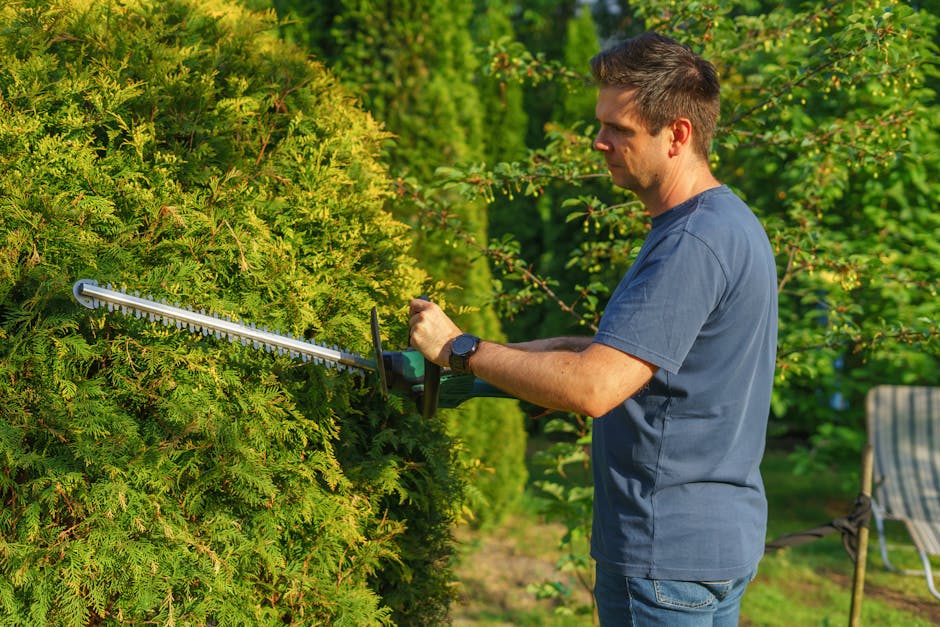
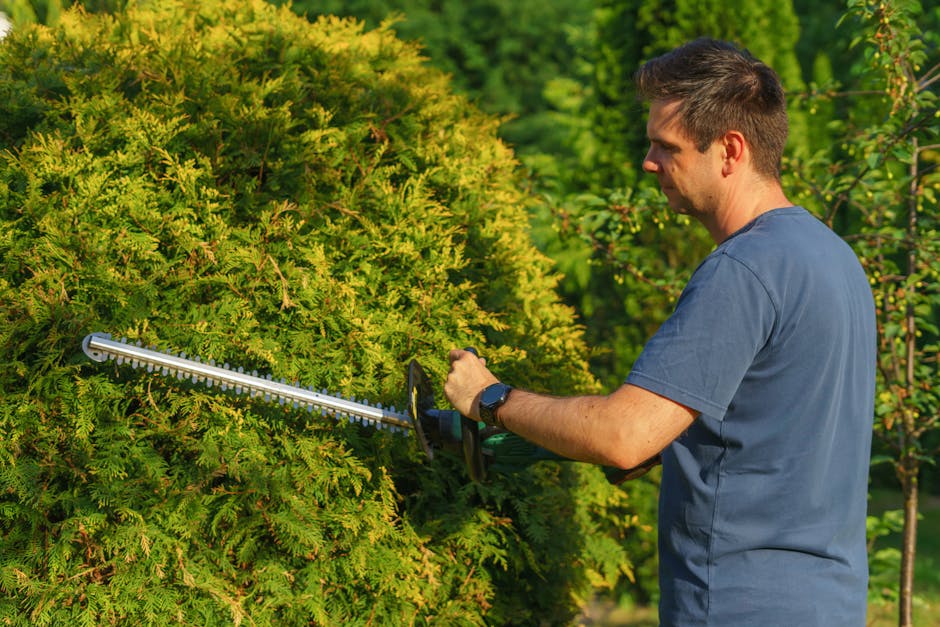
It also makes sense if your garden has special features. Long hedges, heavy ivy, steep access, broken paving, dense shrubs, or lots of leaf fall all make price variation more likely. A quote for hedge trimming in Carshalton, for example, can change a lot depending on height, thickness and whether clippings are removed. That is normal. What you want is clarity, not guesswork.
If you are unsure where to begin with a tired outdoor space, a sensible first step is to explore broader help such as gardening services rather than trying to split every task into tiny pieces on your own. That often makes the quote easier to understand. And easier to trust.
Step-by-Step Guidance
Here is a practical way to avoid hidden charges without turning the process into a headache.
- List the work you actually want done.
Write it down in plain language: mow lawn, trim hedge, clear borders, remove clippings, clean patio, and so on. Do not assume the provider knows what you mean by "a tidy." - Ask what is included in the base price.
Good questions are boring questions. That is fine. Ask whether waste removal, bagging, sweeping, edge finishing, and equipment use are included. - Check for access issues.
Side gates, shared paths, locked entries, parking constraints, and long carry distances can all affect labour time. In a place like Carshalton, those details matter more than people think. - Request a breakdown if the quote feels vague.
A proper quote should make sense line by line. If it only gives a single figure with no scope, ask for a clearer breakdown. - Confirm how extras are approved.
Will the gardener call or message before adding extra work? Or do they simply proceed and charge later? That difference is crucial. - Look at the job as a whole.
If your garden also needs lawn care, patio cleaning or fencing repairs, it may be cheaper and cleaner to coordinate the work together rather than book separate visits. - Keep a written record.
Even a simple email or message summary can prevent a lot of nonsense later. Not glamorous, but it works.
One small habit makes a big difference: take two photos before the work begins. One wide shot, one closer detail. If there is any question about what was present before the visit, you will have a clear record. It takes thirty seconds. Less, if your phone cooperates.
Expert Tips for Better Results
In our experience, the best way to avoid hidden charges is to think like a project manager for five minutes before the job starts. That is usually enough to expose the weak spots in a quote.
1. Treat "tidy-up" as a vague phrase. It sounds harmless, but it can mean very different things to different people. Ask what tidy-up actually includes: cutting, raking, sweeping, disposal, reshaping, or just a quick visual clean.
2. Be honest about the state of the garden. If the lawn is knee-high or the hedge is tangled with old growth, say so. A fair quote depends on accurate information. It is not about embarrassment; gardens go through phases.
3. Separate regular maintenance from one-off restoration. These are not the same job. Routine work is often quicker and cheaper. Restoration is usually more variable, especially if weeds, brambles or ivy have taken over. If ivy is part of the problem, removing ivy from a landscape can be a bigger job than many people expect.
4. Ask about waste handling early. Green waste disposal is one of the most common add-ons. A bag of clippings is one thing; several wheelbarrows of thick hedge waste is another. If the quote says nothing, assume nothing.
5. Match the service to the season. Some jobs are naturally more expensive during peak growth periods, after storms, or in autumn leaf fall. If you can be flexible, you may find better availability and less rush pricing.
6. Use service pages to narrow the scope. If you know the job is mainly mowing, lawn care, or patio work, price that separately rather than asking for a broad all-in-one quote. Useful pages like lawn mowing, lawn care and patio cleaning can help you define what you need more clearly.
7. Trust your gut, but verify it. If a quote feels too cheap, ask why. If it feels too high, ask what is driving the price. The answer may be perfectly reasonable. Or it may reveal missing detail. Either way, you learn something useful.
Common Mistakes to Avoid
Most surprise charges are avoidable. The usual mistakes are quite ordinary, which is exactly why they keep happening.
- Accepting a quote without checking what it includes. A low headline price is only helpful if the scope is complete.
- Assuming waste removal is always included. It often is not.
- Not mentioning difficult access. A narrow side path or no parking nearby can affect labour time.
- Mixing several jobs into one vague request. You end up with a vague price too.
- Failing to ask about minimum call-out charges. Small jobs can still carry a base fee.
- Ignoring seasonal growth. Overgrown hedges or dense weeds take longer than a regular trim.
- Skipping the written confirmation. Memory is unreliable. Email is better. Annoyingly so.
Another common slip is choosing a provider based only on speed. Fast is nice. Clear is better. A gardener who takes a moment to explain the price usually saves you money later, even if the initial call takes an extra few minutes.
And a tiny one, but important: do not be shy about asking what "extra labour" means. That phrase can cover everything from genuinely additional work to fuzzy admin language. You deserve a straight answer.
Tools, Resources and Recommendations
You do not need specialist software to manage hidden charges. A notebook, camera phone and a clear message thread are often enough. Still, a few practical tools can help.
- Garden photo checklist - take wide shots of each area before any work starts.
- Simple written scope - list exactly which areas need attention and what should be left alone.
- Measurement notes - even rough notes on hedge length, lawn size, or number of beds can help.
- Quote comparison sheet - compare inclusion, waste removal, access conditions, and follow-up charges.
- Seasonal task list - keep track of recurring work so you can book before things get out of hand.
If your aim is to keep the garden easier and cheaper to maintain, it can also help to look at design choices that reduce future labour. Ground cover, for example, can cut down on weeding. Hedging shapes can reduce awkward cutting. Even container planting can make upkeep more predictable. There are some useful ideas in ground cover ideas for UK gardens and container gardening tips.
If you are gathering services for a wider outdoor project, you may also want to read more about landscaping or even tree surgery if the garden includes mature growth that is pushing up the maintenance bill. Those are bigger jobs, but sometimes the real saving is in solving the root issue once rather than paying for repeat tidy-ups. Pun only slightly intended.
Law, Compliance, Standards, or Best Practice
Garden maintenance pricing itself is usually a matter of business practice rather than a tightly regulated consumer field, but that does not mean anything goes. Good providers should be clear, honest, and careful about what they promise. In the UK, fair consumer communication matters: descriptions should not mislead, and charges should not appear without reasonable explanation or prior agreement.
From a best-practice point of view, a good quote should:
- state what work is included
- identify any likely extras
- explain how unexpected work will be approved
- outline payment expectations clearly
- give a sensible basis for waste, access, or specialist charges
It is also sensible for garden work to be carried out with proper regard for safety. Dense hedges, tree work, heavy lifting and powered tools all carry risk. If you are comparing providers, pages such as insurance and safety and health and safety policy can help you see whether a company treats that side seriously. That matters, especially where ladders, cutters, or debris removal are involved.
Payment clarity matters too. If a provider explains its terms up front, and uses secure payment methods, that is a positive sign. A neat quote is good, but clear payment terms are good as well. The two should travel together.
If a disagreement does arise, a published complaints process is a reassuring indicator that the company has thought about customer care beyond the sales call. You can also review the basic terms before work starts through pages such as terms and conditions, payment and security, and complaints procedure.
Options, Methods, or Comparison Table
When comparing garden quotes, the cheapest option is not always the best one. It may simply be the least detailed. This table shows the difference between common quoting approaches.
| Quote style | What it usually includes | Risk of hidden charges | Best for |
|---|---|---|---|
| Simple flat quote | One all-in price for a clearly described task | Medium, if the scope is vague | Small, straightforward jobs |
| Itemised quote | Separated costs for labour, waste, and extras | Lower, because the detail is visible | Mixed jobs or larger gardens |
| Hourly rate | Time spent on site, sometimes with material or disposal added | Higher, if the job is not controlled properly | Unpredictable or restoration work |
| Maintenance package | Recurring visits for agreed tasks on a schedule | Lower, if the scope is fixed in advance | Ongoing garden upkeep |
For many Carshalton gardens, a recurring maintenance arrangement is the least stressful choice. It keeps growth under control and reduces the chance of nasty "catch-up" charges after a long gap. If you need a steady plan rather than one-off rescue work, garden maintenance and lawn care are the kind of services that can make costs more predictable over time.
That said, if the property has specific problems - old hedges, invasive ivy, or a patio covered in grime - then a more specialist approach may be better value. The key is matching the method to the job, not the other way round.
Case Study or Real-World Example
Here is a realistic example based on a common Carshalton scenario.
A homeowner in Carshalton asks for a quote to "sort the back garden." The space is moderate in size, with an overgrown hedge, a patchy lawn, a few weedy borders, and a patio that has not been cleaned in a while. The first quote they receive is low. Great, they think. But it only covers mowing and a quick tidy, with waste removal charged separately and the hedge classed as an extra because it needs more than a light trim.
After asking for clarification, the homeowner gets a second quote that includes hedge cutting, weed removal, sweeping, and green waste disposal. The second quote is higher at first glance, but there are no surprise add-ons. When the work is done, the final bill matches the quote. No awkward calls, no "unexpected labour" line, no mystery charge at the end.
Now, this is not a dramatic success story. It is just a clean outcome. But those are the ones that matter. The homeowner also decides to book regular visits afterwards rather than letting the garden slide again. That one change reduces future costs. Predictable maintenance beats emergency rescue work almost every time.
The same logic can apply if your garden has dense hedging, patchy borders, or a narrow access route. If the site needs special attention, spell it out. If it can be simplified, even better. Clarity is the quiet hero here.
Practical Checklist
Use this before you accept any garden maintenance quote in Carshalton.
- Have I described the job clearly in writing?
- Do I know exactly what is included in the price?
- Have I asked about waste removal and disposal charges?
- Have I mentioned access issues, parking, or gate restrictions?
- Do I know whether the quote is fixed or estimated?
- Have I asked how additional work will be approved?
- Do I know whether equipment, fuel, or travel are included?
- Have I compared more than one quote on the same basis?
- Have I taken photos of the garden before the work starts?
- Do I have the agreement in writing, not just verbally?
Quick takeaway: if a quote is unclear, pause. Ask. Clarify. Then decide. A few extra minutes now can save both money and irritation later.
If you want a clearer, more transparent way to plan your next outdoor job, explore the service details, read the policies, and then speak to a local team that explains costs plainly from the start. That is usually where a better experience begins.
Get a free quote today and see how much you can save.
Conclusion
Hidden garden maintenance charges in Carshalton are usually less about trickery and more about unclear scope. Once you know the common extras, ask better questions, and compare quotes on the same basis, the whole process becomes much easier. You will make calmer decisions, protect your budget, and get a result that feels fair.
The best quotes are the ones that make sense before the first spade even comes out. And in a place where gardens can be compact, leafy, neglected, tidy or all of those at once, that clarity is worth having. A little more detail at the start saves a lot of noise later. That is the honest truth.
So take your time, check the details, and keep the scope clear. A well-managed garden is better than a cheap surprise. Every time.
Frequently Asked Questions
What are hidden garden maintenance charges?
They are extra costs that were not made clear at the start, such as waste removal, difficult access, added labour, or specialist work that sits outside the base quote.
How can I tell if a garden quote is incomplete?
If the quote only gives one total price without listing what is included, that is a warning sign. Ask for a breakdown covering labour, waste, access, and any likely add-ons.
Is waste removal usually included in garden maintenance?
Not always. Some gardeners include it, others charge separately. It is one of the most common places where final prices differ from the first quote.
Why do Carshalton garden quotes vary so much?
Garden size, hedge height, access, overgrowth, and the amount of waste all affect cost. Two gardens that look similar from the street can require very different levels of work.
Should I choose the cheapest quote?
Not automatically. A low quote may leave out important tasks. It is often better to choose the quote that clearly states what is included, even if it costs a little more.
What questions should I ask before booking garden maintenance?
Ask what is included, what counts as an extra, whether waste removal is covered, how access affects pricing, and whether you will be told before any additional charges are added.
Do one-off jobs cost more than regular maintenance?
Usually yes, especially if the garden has been left for a while. Ongoing maintenance is often easier to price because the work stays more predictable.
Can overgrown hedges create extra costs?
Yes. Tall, thick, or neglected hedges can take longer to cut and may produce much more waste. That is one reason hedge trimming quotes can vary quite a bit.
How do I avoid surprise charges after the work is done?
Get the scope in writing, ask about extras in advance, and make sure any new work is approved before it starts. A few simple messages can prevent most disputes.
What should a transparent garden quote include?
A good quote should list the tasks, the areas covered, likely extras, how waste will be handled, and any conditions that could affect price. The clearer it is, the better.
Are garden maintenance services worth it?
For many households, yes. Regular maintenance can prevent bigger problems, save time, and keep the outdoor space in good shape without the stress of emergency catch-up jobs.
What if I disagree with an extra charge?
Check the written quote and any messages first. If the charge was not agreed, raise it calmly and use the provider's complaints process if needed. Clear records make this much easier.