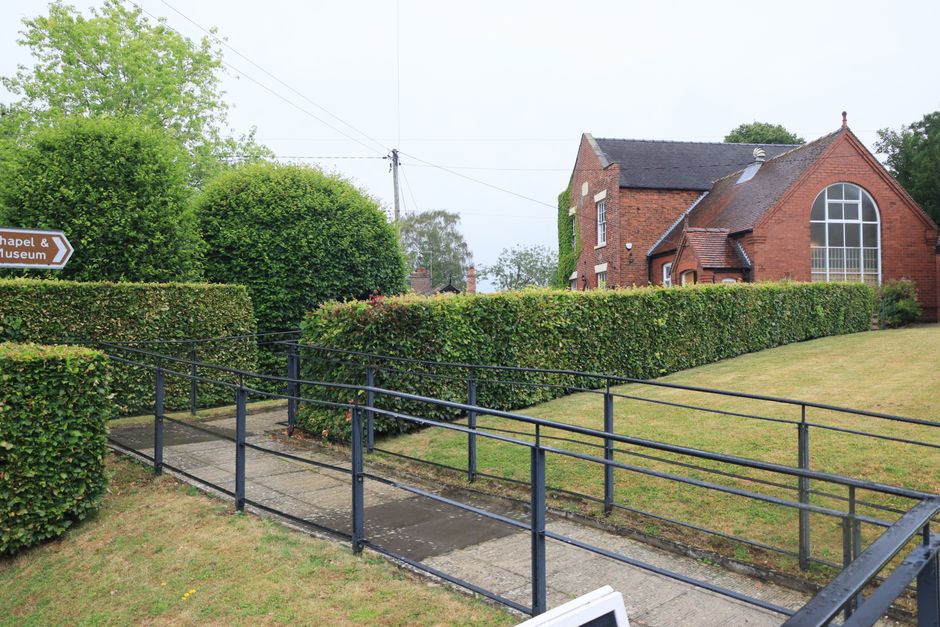
Honeywood Museum Gardening Rules for Carshalton Volunteers: A Practical Guide to Working Safely, Respectfully and Well
If you are volunteering in a heritage garden, the work is never just about planting, pruning, or pulling weeds. It is also about protecting a place with history, keeping people safe, and respecting the rhythm of a museum setting. That is exactly why Honeywood Museum gardening rules for Carshalton volunteers matter. They help volunteers do useful work without damaging delicate planting, historic features, or the visitor experience.
In a place like Honeywood, a good volunteer session is calm, tidy, and purposeful. You know what to do, what not to touch, where to leave tools, and when to ask before changing anything. That may sound obvious, but in real life the small details make all the difference. This guide breaks down the practical side of those rules so you can show up prepared, work confidently, and avoid the mistakes that tend to cause problems later. It is written for Carshalton volunteers, but the principles are useful wherever heritage garden care and community gardening meet.
If you are looking to build broader gardening confidence alongside volunteer work, you may also find our guides on weed control strategies and improving soil health with organic waste useful. They are not museum-specific, but they do help build better habits.
Why Honeywood Museum gardening rules for Carshalton volunteers Matters
Heritage gardening has a different feel from ordinary home gardening. The site may include mature shrubs, established borders, fragile edging, historic paths, or planting that has been chosen for a very specific visual effect. A volunteer can still make a real difference, but only if the work supports the site rather than quietly reshaping it. That is the heart of the rules.
The rules matter for three simple reasons. First, they protect the museum environment. A careless cut on the wrong plant, a boot scuff on soft ground, or a misplaced barrow can create damage that takes far longer to repair than the original task took to do. Second, they help volunteers avoid injury. Museums and historic gardens often have uneven surfaces, hidden trip hazards, old masonry, wet lawns, and tightly managed access routes. Third, they keep the volunteer programme reliable. When everyone works in the same way, the staff or garden lead can plan properly, and the work becomes genuinely useful rather than a polite bit of busywork.
There is also a community side to it. Carshalton volunteers often come to these roles because they care about local green spaces and want to do something that feels grounded and worthwhile. Fair enough. But heritage settings need more than enthusiasm. They need consistency, patience, and respect for instructions, even when you think a quicker fix looks tempting. Truth be told, many gardening mistakes come from good intentions and not enough checking.
For volunteers, following the rules is not about being overly formal. It is about helping the garden keep its character. A well-kept museum garden should still feel alive, seasonal, and welcoming. It should not feel over-managed, stripped back, or a little bit overdone because somebody decided to "tidy up" too enthusiastically on a wet Tuesday morning.
How Honeywood Museum gardening rules for Carshalton volunteers Works
In practice, the rules usually work as a simple framework: arrive prepared, check the day's tasks, work within agreed boundaries, and report anything unusual. Most volunteer groups around heritage sites operate on that basis, even if the wording differs from place to place. The point is to create a dependable routine.
Typically, a volunteer session starts with a brief handover. You may be told which beds are being weeded, which pathways need clearing, which areas are off-limits, or which plants should never be cut without approval. That introduction is important because a museum garden often changes through the seasons. One week you are deadheading, the next you are edging borders or helping with leaf clearance. The task list is not random; it reflects timing, plant health, visitor safety, and the wider programme for the site.
The rules also tend to separate everyday maintenance from anything that could alter the site visually or structurally. For example, removing weeds by hand is usually fine when supervised, but reshaping a border, moving a shrub, or cutting back a climber may need sign-off. If you have ever worked in a private garden, that distinction can feel small. In a museum context, it is not small at all. It protects planting plans, access, and presentation.
A sensible volunteer setup also includes safety expectations: sturdy footwear, gloves if needed, clear tool handling, careful lifting, and no working beyond your comfort level. If a task feels awkward or risky, ask. That is not being difficult. It is being sensible.
If you are comparing volunteer gardening with paid garden support, it may help to read about broader site care through garden maintenance and health and safety policy principles. Those pages are not a substitute for site instructions, but they give a useful sense of how professional garden work is usually organised.
Key Benefits and Practical Advantages
Good rules do more than keep the place neat. They make volunteering feel easier, safer, and more rewarding. That may sound a bit idealistic, but you really do notice the difference when a team has clear boundaries.
- Better plant care: Volunteers are less likely to prune the wrong stems, disturb roots, or remove seedlings by mistake.
- Safer working conditions: Clear guidance reduces slips, trips, tool injuries, and overexertion.
- Cleaner visitor presentation: Paths, borders, and edges stay tidy without becoming overworked.
- Less confusion: Everyone knows what counts as routine maintenance and what needs permission.
- Stronger team morale: Volunteers feel more confident when they are not guessing all the time.
- Heritage protection: Historic features, views, and planting designs are less likely to be accidentally altered.
There is a quieter benefit too. Working within a thoughtful set of rules helps volunteers learn how gardens actually function. You start to see why one shrub is left slightly loose, why another bed is kept deliberately open, or why a certain path is never overloaded with wheelbarrows. That kind of awareness carries over into home gardens, allotments, and other local spaces.
In other words, the rules make the work easier to trust. And once trust is there, people tend to do better work without needing to be micromanaged every five minutes. Which is nice for everyone, really.
Who This Is For and When It Makes Sense
This guidance is for anyone who might take part in heritage gardening at Honeywood Museum or a similar Carshalton site. That includes regular volunteers, one-off community helpers, students, local residents giving their time, and people who have volunteered in private gardens before but not in a museum setting.
It also makes sense for group coordinators. If you help organise sessions, the rules are what keep a mixed group from wandering in different directions. One volunteer may be brilliant at weeding; another may know a lot about shrubs; another may simply be keen and new. That is all fine. The framework helps turn varied experience into useful, coordinated work.
You will especially benefit from these rules if you:
- have little or no experience in heritage or public-facing gardens;
- are unsure what counts as acceptable "tidying";
- need a refresher on safe tool use and manual handling;
- want to avoid damaging delicate planting or historic features;
- hope to build confidence before taking on more advanced tasks;
- are helping on a day when the weather, crowd levels, or ground conditions are less than ideal.
A small but useful truth: volunteer gardening is often more about restraint than enthusiasm. If you have ever wanted to cut everything back "just a touch more", you are not alone. But restraint is often the skill that matters most in a museum garden.
Step-by-Step Guidance
Here is a practical way to approach a volunteer session so you stay within the rules and make a real contribution.
- Check in properly. Arrive on time, sign in if required, and listen to the briefing before touching anything.
- Look at the site first. Spend a minute or two observing where people walk, where the beds begin and end, and which areas seem clearly protected.
- Confirm the task. Ask what you are doing today, what tools you should use, and what you should leave alone.
- Set up safely. Put bags, drinks, and personal items out of the work zone. It sounds small, but it avoids clutter and trips.
- Work gently and steadily. Keep your movements controlled. In a museum setting, precision matters more than speed.
- Stack waste neatly. Put green waste where requested, and keep pathways clear. Nobody wants a pile of material left halfway across a route.
- Pause if unsure. If a plant looks unfamiliar, damaged, or historically important, stop and ask before acting.
- Wrap up properly. Clean tools, remove debris, report issues, and leave the space tidy for the next group.
A good rule of thumb is this: if you are not sure whether something should be done, it probably should not be done without checking. That one habit prevents an impressive amount of trouble.
What to ask before you start
These are simple, practical questions that can save a lot of confusion:
- Which areas are priority tasks today?
- Are any beds, shrubs, or surfaces off-limits?
- Which tools are approved for use?
- How should cuttings or weeds be disposed of?
- What should I do if I find broken glass, unsafe branches, or unexpected damage?
- Who do I report to if I am unsure mid-task?
These questions are not fussy. They are exactly the kind of questions that make a session smooth from the start.
Expert Tips for Better Results
Once you understand the basics, the next step is learning how to work in a way that suits heritage gardens specifically. The trick is to combine care, observation, and a light touch.
Work with the edges first. In many public gardens, paths and border edges set the visual tone. If the edges are crisp but not harsh, the whole site feels looked after. That said, avoid the temptation to over-define everything. Softness has its place, especially around older planting.
Use the right level of force. A weed can usually be lifted with steady pressure rather than a yank. A stubborn stem can often be cut rather than pulled. You save the surrounding plants, and your back, too.
Keep an eye on weather conditions. A cool morning can turn into a warm, sticky midday. Gloves that felt fine at 9 a.m. may feel very different by lunch. Small adjustments matter. Bring water, layer clothing, and don't be shy about asking for a break.
Think in seasons. A volunteer garden session in spring is about different things than one in late autumn. Spring often means weeding, deadheading, and gentle shaping. Autumn may bring leaf clearance, compost movement, and preparing beds for colder weather. If you want more ideas for seasonal resilience, the article on protecting gardens from extreme weather is a useful companion read.
Respect the feel of the place. Honeywood is not a blank canvas. It has atmosphere. You notice this most when the light is low and the garden has that quiet, slightly damp scent after rain. The best volunteer work supports that feeling instead of flattening it. Not every bed needs to look newly sharpened. Some structure, yes. But not a showroom. Let the garden breathe a bit.
Common Mistakes to Avoid
Even experienced gardeners can slip into habits that do not suit a heritage volunteer setting. These are the mistakes worth watching for.
- Assuming "tidy" means "remove it". In a museum garden, not every self-seeded plant is a weed and not every untidy edge needs a drastic cut.
- Using the wrong tool because it is nearby. If the brief says hand-weeding, do not grab a fork, trowel, or shears just because they are handy.
- Overlifting or overreaching. A sore back can turn a volunteer day into a long week. Work in manageable loads.
- Blocking pathways with waste or tools. Keep access routes open for visitors, staff, and other volunteers.
- Pruning without checking the plant. Some shrubs flower on old wood, some on new growth. It matters more than people think.
- Leaving questions until the end. If something seems odd at the start, ask then. Halfway through is usually too late.
- Ignoring small hazards. A loose stone, slippery patch, or broken cane can become a bigger issue if nobody mentions it.
One tiny but real mistake people make is trying to "save time" by doing a task the way they do it at home. Heritage sites are not home gardens. The standards are different. The goal is not just to finish the task; it is to finish it in the right way.
Tools, Resources and Recommendations
The best tools are not always the fanciest ones. For volunteer gardening, useful equipment is usually simple, comfortable, and easy to clean. If the site supplies tools, learn how they are labelled, stored, and returned. If you are expected to bring your own basics, keep them reliable rather than impressive.
| Item | Why it helps | Volunteer note |
|---|---|---|
| Sturdy gloves | Protects hands from thorns, rough stems, and debris | Choose a pair you can still move in comfortably |
| Closed-toe footwear | Reduces slips and foot injuries | Good grip matters more than fashion. Honestly. |
| Hand fork or trowel | Useful for precise weeding and soil work | Only use if the task brief allows it |
| Bypass secateurs | Clean cuts for small stems | Keep them sharp and carry them safely |
| Bucket or trug | Helps move weeds, clippings, or small tools | Safer than overfilling bags and dragging them about |
| Water bottle | Helps maintain focus and comfort | Particularly useful on warmer days or longer sessions |
For broader equipment guidance, our article on essential gardening equipment is a useful reference. If you are helping with more general local garden upkeep elsewhere, gardening services and lawn care pages can also give you a feel for the kinds of work that typically sit around plant care, tidy borders, and ongoing maintenance.
Recommendations for the volunteer bag:
- light waterproof layer;
- reusable water bottle;
- small notebook or phone notes for instructions;
- plasters or any personal essentials you normally carry;
- a willingness to slow down when the brief is unclear.
Law, Compliance, Standards, or Best Practice
Because this topic involves volunteer work, public access, and garden safety, it sits close to a few practical compliance concerns. The exact museum rules will depend on the site, but the wider expectations are familiar across UK garden and volunteer settings.
At a minimum, volunteers should follow site-specific health and safety instructions, use equipment properly, and avoid creating hazards for visitors or other workers. If a task involves lifting, cutting, unstable ground, or repeated bending, the work should be assessed sensibly. That does not mean paperwork for every weed. It means reasonable care and clear supervision where needed.
Best practice also includes:
- staying within assigned areas;
- reporting defects, injuries, and near misses promptly;
- respecting access routes and visitor flow;
- protecting heritage features and established planting;
- handling tools according to the briefing rather than by habit;
- keeping personal data, sign-in sheets, and volunteer records private where relevant.
There is also a fairness aspect. Volunteers should be told what is expected of them, what support is available, and what happens if a task feels unsafe or unsuitable. That is basic good practice, and it helps everyone. If you want a broader sense of how responsible organisations present those responsibilities, pages like terms and conditions, privacy policy, and accessibility statement show the kind of clarity people should be able to expect.
One more point worth saying plainly: if something seems unsafe, say so. You do not need to prove a point by pushing through it. The volunteer who speaks up early is usually the one helping the whole group.
Options, Methods, or Comparison Table
Not every volunteer task should be approached the same way. Some jobs need a careful hand, others need a little more pace. Here is a practical comparison of common methods.
| Method | Best for | Pros | Watch-outs |
|---|---|---|---|
| Hand-weeding | Delicate beds and precise work | Protects nearby plants, good control | Takes time and can be tiring |
| Light pruning | Routine tidying of small growth | Keeps plants neat without heavy disturbance | Needs plant knowledge and permission |
| Raking and clearing | Leaves, debris, and seasonal clean-up | Fast, straightforward, visually effective | Can disturb bulbs or ground cover if rushed |
| Mulching support | Improving soil moisture and suppressing weeds | Useful long-term benefit | Needs the right material and correct depth |
| Border edging | Presentation and path definition | Instantly improves appearance | Overdoing it can make a heritage border look harsh |
In a museum garden, the best method is often the least intrusive one that still achieves the task. That may not sound dramatic, but it is usually the right answer. If you are curious about quieter, lower-maintenance styles of planting, our piece on low-maintenance garden ideas gives a good sense of how restraint can still look attractive.
Case Study or Real-World Example
Imagine a Saturday volunteer session after a mild week of weather. The beds around a museum path have filled out quickly, and a few weeds have pushed through near the edges. A new volunteer arrives, spots the growth, and starts pulling hard at everything in sight. In a home garden, that might just be enthusiastic. In a heritage setting, it can mean damaged ground cover, loosened mulch, and a border that suddenly looks patchy.
Now picture the same session handled properly. The group leader explains which bed should be hand-weeded, which edging should be left alone, and where the cuttings should go. One volunteer clears the path edge carefully, another collects debris, and a third reports a small patch of suspected disease on a shrub for later review. Nothing flashy. But by the end of the morning, the area looks cared for rather than stripped bare.
That is the real difference. Good volunteer gardening does not usually announce itself. It shows in small things: a cleaner path, a border still holding its shape, a healthy plant left untouched because someone paused and asked. You might walk past it and think, "well, that looks right." Exactly. That is the point.
Practical Checklist
Use this quick checklist before and during your session. It keeps things simple.
- Have I listened to the briefing fully?
- Do I know which areas are in scope today?
- Do I understand which plants or features are protected?
- Are my shoes, gloves, and clothing suitable for the weather?
- Do I know where tools, waste, and water are kept?
- Have I asked about any unclear instructions?
- Am I working safely around visitors and paths?
- Am I avoiding over-pruning, over-lifting, or overreaching?
- Have I reported any damage, pests, or hazards?
- Did I leave the area tidy at the end?
If you can tick those off, you are already doing a lot right.
Conclusion
The best Honeywood Museum gardening rules for Carshalton volunteers are not about restricting people for the sake of it. They are there to protect a special place, make volunteer work safer, and keep the garden looking cared for in a way that feels authentic. Once you understand the logic behind the rules, the rest becomes easier. You stop guessing. You start noticing. And the work feels better because it is being done properly.
That is true of most good gardening, really. The right approach is rarely the loudest one. It is the one that respects the site, the plants, the people, and the season. If you keep that in mind, you will fit in well and do useful work from the first session onwards.
Get a free quote today and see how much you can save.
Frequently Asked Questions
What are Honeywood Museum gardening rules for Carshalton volunteers?
They are the practical instructions that help volunteers work safely and respectfully in a heritage garden. The rules usually cover tasks, tools, restricted areas, plant protection, tidiness, and reporting concerns.
Why are museum garden rules stricter than home garden habits?
Because the garden may include historic features, public access routes, and carefully planned planting. What feels like a harmless tidy-up at home can cause damage or change the character of the site in a museum setting.
Do volunteers need gardening experience?
Not necessarily. Many volunteer roles suit beginners as long as they listen carefully, ask questions, and stay within the assigned tasks. A good attitude and steady approach matter a lot.
Can volunteers prune plants whenever they want?
No, not usually. Pruning often needs guidance because different plants respond differently, and some areas may be part of a planned display. Always check before cutting anything beyond basic tidying.
What should I wear for a volunteer gardening session?
Sturdy closed-toe shoes, comfortable clothing you do not mind getting muddy, and weather-appropriate layers are the safe default. Gloves are often useful, especially for weeding or handling rough material.
What if I do not understand the task brief?
Ask before starting. That is the simplest and safest move. It is much better to clarify for thirty seconds than to spend thirty minutes doing the wrong job.
Are there health and safety expectations for volunteers?
Yes. Volunteers are usually expected to follow site instructions, handle tools responsibly, avoid hazards, and report problems promptly. Good practice keeps everyone safer, including visitors.
How do the rules help the garden itself?
They protect soil structure, plant health, historic features, and visual balance. A volunteer session that follows the rules supports long-term garden care rather than creating extra repair work.
What kinds of jobs are usually suitable for volunteers?
Common tasks include light weeding, clearing leaves, tidying borders, collecting waste, and simple upkeep under supervision. More technical work is usually left to experienced staff or approved gardeners.
What should I do if I spot damage or a hazard?
Report it straight away to the session lead or responsible organiser. Broken glass, unstable branches, slippery areas, or damaged fixtures should not be ignored, even if they seem minor.
Is volunteer gardening the same as professional garden maintenance?
Not quite. Volunteers usually support supervised, lower-risk tasks, while professional garden maintenance often involves more technical work, planning, and responsibility. They complement each other, but they are not the same thing.
How can I prepare before my first session?
Read any instructions you are given, wear suitable clothing, bring water, and be ready to listen. If you want a broader feel for the sort of gardening work that builds confidence, our articles on reviving a neglected garden and practical gardening tips are a handy place to start.
Who should I contact if I want to ask more about volunteering?
The best next step is to speak directly with the organiser or the team coordinating volunteer sessions. If you need help with a broader gardening enquiry, you can also use the site's contact page.
For anyone volunteering in a place like Honeywood, the real skill is not just gardening. It is gardening with care, patience, and respect. That's a good thing to learn, and a lovely one to carry forward.