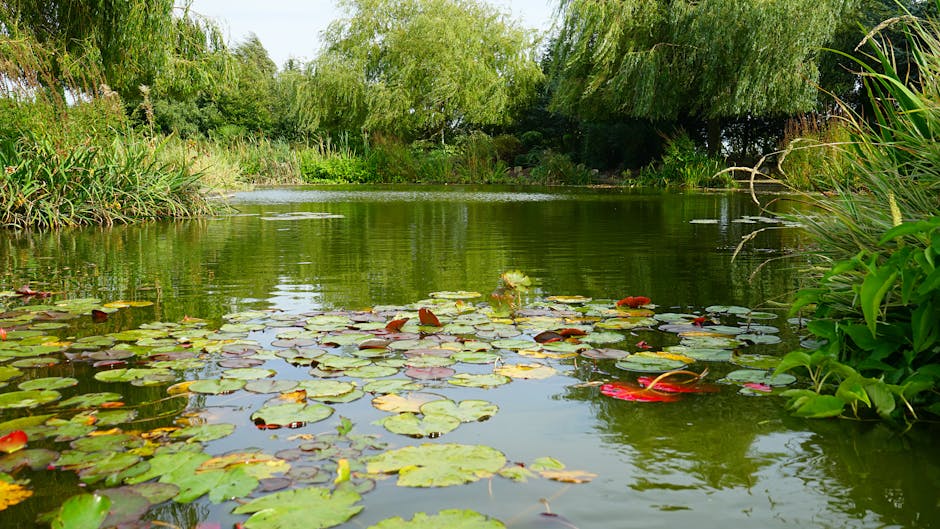
Carshalton Ponds gardeners guide to native planting ideas
If you are looking at a garden near the ponds and wondering how to make it feel softer, greener, and more in tune with the local landscape, native planting is a smart place to start. This Carshalton Ponds gardeners guide to native planting ideas is built for real gardens, not glossy magazine spreads. It focuses on plants that tend to cope well in UK conditions, support wildlife, and create a natural look that feels right at home beside water, paths, fencing, lawns, and mixed borders.
To be fair, native planting is not about making everything look wild and untidy. Done properly, it can be neat, layered, and beautiful. It can also be low-fuss once established, which is a relief if you do not want to spend every weekend deadheading or propping things up. In this guide, you will find planting ideas, practical steps, mistakes to avoid, and a few local considerations that matter more than people often think.
For readers who are also weighing up broader garden work, it can help to look at the rest of the site too, especially general gardening services and ongoing garden maintenance if you want the whole space brought together rather than tackling one border at a time.
Table of Contents
- Why Carshalton Ponds gardeners guide to native planting ideas Matters
- How Carshalton Ponds gardeners guide to native planting ideas Works
- Key Benefits and Practical Advantages
- Who This Is For and When It Makes Sense
- Step-by-Step Guidance
- Expert Tips for Better Results
- Common Mistakes to Avoid
- Tools, Resources and Recommendations
- Law, Compliance, Standards, or Best Practice
- Options, Methods, or Comparison Table
- Case Study or Real-World Example
- Practical Checklist
- Conclusion
- Frequently Asked Questions
Why Carshalton Ponds gardeners guide to native planting ideas Matters
Native planting matters because gardens around Carshalton Ponds sit in a very particular setting. There is water nearby, public footfall in some areas, a mix of sun and shade, and plenty of local variation in soil, exposure, and moisture. A plant that thrives in one front garden can sulk in another if the conditions do not match. Native species often give you a better starting point because they are adapted to the climate, the seasons, and the wildlife that already lives here.
There is also a quieter benefit. Native planting can make a garden feel more rooted in place. You see it in the texture of the foliage, the way pollinators move through a border, and the fact that the planting does not look like it is trying too hard. It just belongs. That matters in a place where many people want their garden to feel calm rather than overly designed.
If you are trying to revive a tired plot, native choices can also make the whole job feel less daunting. A border filled with the right foundations is easier to manage than one packed with demanding exotics that need constant rescue. For anyone starting from scratch, the article on where to begin with a neglected garden pairs nicely with this one.
And one more thing: native planting is not only for large country-style spaces. Small town gardens, narrow side returns, and even container displays can benefit from it. You do not need acres. Just the right plant in the right place. Simple as that, really.
How Carshalton Ponds gardeners guide to native planting ideas Works
Native planting works by matching the plant to the local environment instead of forcing the environment to suit the plant. That sounds obvious, but it is the step that gets skipped most often. Around Carshalton Ponds, that means thinking about moisture, shade from nearby trees or buildings, wind exposure, and whether your soil drains quickly or holds onto water after rain.
The process usually starts with observation. Watch where the sun falls in the morning and late afternoon. Notice where water collects after a shower. Check whether one side of the garden stays damp while another dries out by noon. Those details matter more than a plant label in a shop, because they tell you where native species will actually settle.
Then comes the structure. Native planting is often strongest when you use layers: ground cover, mid-height perennials, taller shrubs, and perhaps a small tree or climber if the space allows. A layered approach gives wildlife more to use, but it also gives the garden more depth. Even a tiny border can look thoughtful rather than crowded.
For awkward shady corners, shade-friendly climbers can bridge the gap between hard surfaces and planting. If your fence line or shed is dominated by stubborn old growth, it may also be worth reading about removing ivy carefully before you plant underneath.
In practice, native planting is a mix of design and restraint. You choose fewer plants, but better plants. You allow a border to evolve a little through the seasons. And you stop expecting perfection every month of the year. That last part can be oddly freeing.
Key Benefits and Practical Advantages
Native planting offers a long list of practical wins, and not all of them are about ecology, though that is a big part of it. The best gardens do several jobs at once: they look good, feel manageable, and support the local environment without turning into a full-time hobby.
- Better seasonal resilience: Native plants are usually better matched to UK weather swings, including cold snaps, wet winters, and dry spells.
- Lower maintenance once established: You still need to water and weed young plants, but mature natives often need less coaxing.
- Wildlife value: Bees, butterflies, birds, and beneficial insects often respond well to native flowers, berries, seed heads, and shelter.
- More natural visual harmony: A border built around local species often feels calmer and more believable than one that fights the setting.
- Better soil integration: Plants adapted to local conditions generally form healthier root systems, especially when paired with decent soil preparation.
There is a financial angle too. Native planting can be kinder to budgets over time because replacement losses are often lower when you get the site conditions right. That does not mean native plants are always cheaper upfront. Some specialist varieties are not. But in many gardens, especially those that need reworking, the long-term value is stronger.
For gardeners focused on easy care, it helps to combine native planting with other practical ideas, like low-maintenance garden tips and sensible soil improvement from repurposed organic waste. Little improvements stack up. They always do.
Expert summary: The strongest native gardens are not packed with random British plants. They are designed around place, light, soil, and seasonal rhythm. Get those four things right and the rest becomes much easier.
Who This Is For and When It Makes Sense
This approach makes sense for quite a few different gardeners. If you are unsure whether native planting is right for your space, the answer usually depends on what you want the garden to do.
- Homeowners who want a more natural look without constant replanting.
- Families who want a garden that feels alive but not fussy.
- People with wildlife goals who want pollinator-friendly, bird-friendly planting.
- Owners of awkward plots with shade, wind, patchy soil, or damp areas.
- Busy households that need a garden to look presentable with limited time.
- Garden refresh projects where the existing planting feels tired, sparse, or disconnected.
It also makes sense if you are working around hard landscaping, boundaries, or seating areas and want the planting to soften the edges. A native border beside a patio or fence can stop the whole space from feeling boxed in. If you are also planning practical surfaces or seating, the site's patio cleaning and decking services pages may be useful in the broader planning stage.
When does it not make sense? If you want highly formal tropical drama, ultra-architectural planting, or a very controlled clipped look, native planting alone may not be enough. You can still mix styles, of course. Most real gardens do. The point is to choose the dominant theme deliberately rather than accidentally.
And if you are dealing with boundaries or privacy, planting can work alongside fencing or a well-planned hedge rather than replacing them. Sometimes the best result is a partnership, not a single solution.
Step-by-Step Guidance
Here is a practical way to plan native planting without getting lost in plant lists or contradictory advice from random corners of the internet. Keep it simple. Then refine it.
- Map the site conditions. Mark sun, shade, wet patches, dry patches, wind tunnels, and any areas where roots or paving may limit planting depth.
- Decide the purpose of each area. Is the space for colour, screening, wildlife, a calm view from the kitchen, or all of those at once?
- Choose a planting structure. Think in layers: ground cover, mid-border plants, shrubs, and occasional climbers or small trees.
- Pick a limited plant palette. Fewer species used well usually look better than a crowded mix that has no rhythm.
- Prepare the soil properly. Weed thoroughly, loosen compacted ground, and add organic matter where appropriate.
- Plant in groups. Repeating the same plant in clusters creates flow and makes maintenance easier later on.
- Water and mulch. Young plants need steady support. Mulching helps retain moisture and suppress weeds.
- Review after the first season. Keep what thrives, move what struggles, and fill gaps thoughtfully rather than rushing.
A simple example: a shady border could combine a native ground layer, a few medium perennials, and a relaxed shrub line instead of trying to cram in sun-lovers that will never quite settle. If that sounds obvious, good. Many failed planting schemes are undone by ignoring the obvious.
For people who like a more compact approach, container gardening can be a clever way to trial native plants before committing them to the ground. The article on small-space container gardening is a useful companion piece.
Expert Tips for Better Results
There are a few small choices that make a surprisingly large difference. In our experience, these are the ones that separate a decent native border from one that quietly thrives.
Work with the pond-side atmosphere, not against it
If your garden feels cooler, damper, or more sheltered from one side, use that to your advantage. Moisture-loving natives can help anchor those areas. Just do not overdo the water-garden effect unless the site truly suits it.
Repeat plants for rhythm
One of the most useful design tricks is repetition. Use the same plant in several spots so the eye moves naturally through the garden. It sounds almost too basic, but it works. Every time.
Use texture as much as flower colour
People often chase bloom colour and ignore leaf shape, stem habit, or seed heads. Yet texture is what keeps a border interesting on dull days, and let's face it, there are plenty of those. A mixture of feathery, bold, glossy, and airy foliage can carry a planting scheme even when nothing is in flower.
Plan for wind and exposure
Some parts of Carshalton can feel breezy, especially around open approaches and boundary gaps. Choosing plants that can stand up to movement matters more than people think. You might find the article on making wind work in the garden helpful here.
Do not forget winter structure
A native garden should not disappear in November. Leave some seed heads, grasses, stems, or evergreen structure where appropriate so the garden still has a spine in the cold months. Those little silhouettes at dusk can be beautiful. Quietly beautiful, even.
Choose plants that can be maintained at your pace
If you know you will only prune twice a year, design around that reality. There is no point choosing species that demand constant attention. The best garden is the one you can actually maintain without resentment creeping in.
Common Mistakes to Avoid
Native planting is forgiving in some ways, but not magical. A few recurring mistakes can undo the benefits quickly.
- Using native plants in the wrong conditions: A native species still has preferences. Wet soil, shade, and full sun are not interchangeable.
- Overcrowding the border: Too many plants in too little space leads to competition, rot, and a messy finish.
- Skipping soil preparation: Even resilient plants do better in soil that has been cleared, loosened, and improved sensibly.
- Expecting instant fullness: Native planting often looks modest at first. Patience matters.
- Choosing only flowers and forgetting structure: A planting scheme needs year-round bones, not just a short burst of colour.
- Letting weeds win early: Young native beds can look a bit bare, which is exactly when weeds move in. Keep on top of them.
One mistake people make in a local setting is trying to force a "wildflower meadow" effect into every small space. Truth be told, a meadow look only works where the light and mowing regime suit it. In a tight urban plot, a layered native border is often much better.
If weeds are already a headache, a structured approach such as the one in three essential weed control strategies can save a lot of time and frustration.
Tools, Resources and Recommendations
You do not need a van full of equipment to create a good native planting scheme, but a few tools will make the job smoother and safer.
- Spade and fork: for clearing, turning, and loosening compacted soil.
- Hand trowel and secateurs: for planting and tidy maintenance.
- Watering can or hose setup: especially important during establishment.
- Mulch or compost: to support moisture retention and soil life.
- Gloves and kneeling pad: simple comforts, but very useful.
- Plant labels or a garden notebook: helpful when you are trialling species over more than one season.
For broader equipment guidance, the site's essential gardening equipment guide is a practical read. If you are also thinking about habitat value and low-input planting, climate-balancing garden ideas may help you shape the bigger picture.
As for plant selection, a sensible approach is to look for species that suit the exact conditions rather than chasing a fashionable list. Ask: does this plant like shade, sun, dry soil, moisture, or shelter? That one question saves a lot of poor purchases. Honestly, probably more than any other.
If you are unsure whether a plant is a good fit, compare it against a similar native already thriving nearby. Local success is often the best guide available.
Law, Compliance, Standards, or Best Practice
Native planting itself is not usually a regulated activity in the way building work or tree surgery can be, but there are still sensible standards and best practices to keep in mind. If your work affects boundaries, drainage, trees, public paths, or neighbouring properties, it is worth taking a careful approach and checking responsibilities before making major changes.
For example, if a native planting plan includes larger shrubs or trees, think ahead about mature size, root spread, and future maintenance access. What looks tiny in spring can become a serious obstruction in a few years. That is not a problem if it is planned for. It is a problem if it is not.
Safety is also part of good practice. Tools should be used correctly, sharp edges handled carefully, and work areas kept clear when you are planting near paths or patio edges. For general reassurance around site safety and working standards, the pages on health and safety and insurance and safety can help set expectations.
Best practice also includes being considerate to neighbours. Keep noise sensible, avoid blocking access, and manage waste neatly. If any part of the project becomes more involved than expected, a clear process and fair communication matter. That is part of why the site's terms and conditions and complaints procedure exist as useful reference points for service expectations.
For anyone planning professional help, it also makes sense to ask for written details of scope, timings, and aftercare. Native planting is often judged after the first season, not on the day it is installed. Good practice includes that follow-up reality.
Options, Methods, or Comparison Table
Different gardens need different approaches. Here is a simple comparison of common ways to use native planting around Carshalton Ponds.
| Method | Best for | Strengths | Limitations |
|---|---|---|---|
| Native border planting | Front and back gardens with mixed light | Flexible, attractive, wildlife-friendly | Needs good soil preparation and seasonal weeding |
| Native shrub screen | Privacy, soft boundaries, fence lines | Provides structure and shelter | Can become bulky if not spaced carefully |
| Native ground cover | Shady edges, banks, difficult patches | Suppresses weeds and softens hard edges | Slow to establish if the site is very dry or compacted |
| Native container display | Small patios, rented spaces, trial planting | Portable and easy to manage | Requires more watering and feed than in-ground planting |
| Wildlife-focused mix | Gardens aiming to support pollinators and birds | High ecological value, seasonal interest | May need more patience and slightly looser appearance |
If you are unsure which route suits you, a mix is often best. A border can provide colour, a shrub line can create shape, and containers can fill awkward spots. There is no rule saying you must pick only one method. Gardens are allowed to be practical and a little bit improvised.
For compact or awkward spaces, the piece on vertical gardening may spark ideas, especially if you want native climbers or layered planting without taking up ground space.
Case Study or Real-World Example
Imagine a modest back garden near the ponds with one shady side, one brighter side, a tired lawn patch, and a fence that makes the whole area feel a bit enclosed. A common instinct is to buy a few bright flowering plants, put them wherever there is a gap, and hope for the best. That rarely holds together for long.
A better approach would be to divide the space into simple zones. The shady side gets native ground cover and a couple of soft, shade-tolerant shrubs. The brighter side gets a repeat run of flowering perennials mixed with a few structural plants. The fence line gets a native hedge or climber to soften the edge. The lawn patch is reduced rather than defended at all costs, and a small seating area is kept clear so the garden still works for people.
What changes? The space starts to feel calmer. There is less visual clutter. The plants stop fighting the site conditions, so they settle more quickly. And because the scheme is based on repeat planting rather than random purchases, it looks intentional even when it is still maturing.
In a real garden, that first season can be a little sparse. No getting around that. But by the second season, the structure begins to show, and by then the garden often looks more confident than more expensive schemes that were never well matched to the site. That is the bit people usually remember.
If the rest of the garden also needs attention, combining planting work with landscaping, lawn care, or even tree surgery can make the native planting perform better because the underlying conditions are improved too.
Practical Checklist
Use this checklist before you buy plants or start digging.
- Have I checked sun, shade, wind, and drainage in each part of the garden?
- Do I know what each area is for: privacy, colour, wildlife, screening, or seating?
- Have I chosen plants that match the site rather than the other way around?
- Is there a mix of ground cover, mid-layer plants, and structure?
- Have I prepared the soil and removed persistent weeds?
- Do I have a watering plan for the first season?
- Have I allowed enough space for mature growth?
- Will the planting still look good outside the flowering season?
- Have I thought about maintenance time honestly?
- Does the layout work with paths, patios, fencing, and access points?
A quick reality check helps too. If a planting idea looks beautiful but feels impossible to maintain, it probably is. If it looks slightly simpler but suits the site well, that is usually the better pick. Garden design has a funny way of rewarding restraint.
Conclusion
Native planting around Carshalton Ponds works best when it is grounded in the actual character of the space. The ponds, local light levels, wet or dry patches, and the everyday use of the garden all shape what will succeed. Once you start thinking in those terms, the whole process becomes clearer. Less guesswork. More confidence.
The real strength of native planting is that it gives you a garden that feels settled, useful, and alive without demanding constant drama. That matters whether you are refreshing a small plot, softening a boundary, or building a wildlife-friendly retreat that still feels tidy and welcoming.
If you want help turning ideas into a practical plan, or you would simply like a second opinion before you start planting, it is worth speaking to a local professional who understands the area and the garden conditions you are working with.
Get a free quote today and see how much you can save.
Sometimes the best gardens are the ones that stop trying so hard and start belonging. That is a good feeling to come home to.
Frequently Asked Questions
What are native planting ideas for a Carshalton Ponds garden?
They are planting choices built around species that naturally suit UK conditions and local garden environments near the ponds. The aim is to create a garden that looks at home, supports wildlife, and is easier to maintain once established.
Are native plants always low maintenance?
Not always, especially in the first year. Young plants need watering, weeding, and some protection while roots settle. After that, many native species become much easier to manage than more demanding ornamental plants.
Can I use native planting in a small garden?
Yes. Native planting works very well in small spaces if you choose compact species, repeat plants thoughtfully, and keep the structure simple. Containers can also be used to trial ideas or fill awkward corners.
Do native gardens look messy?
They can if they are not planned well, but they do not have to. A well-designed native garden can be neat, layered, and elegant. Repetition, spacing, and seasonal structure make a huge difference.
What is the best season to plant natives?
Autumn and spring are usually the most practical times, depending on the plant and the site. Autumn planting can help roots establish before summer heat, while spring works well if the soil is workable and not waterlogged.
How do I choose native plants for shade?
Start by looking for species known to tolerate low light and moist conditions if needed. More importantly, match the plant to the exact shade type: dry shade, damp shade, or dappled light. Those are not the same thing.
Will native planting attract more wildlife?
Usually, yes. Native flowers, foliage, berries, and seed heads often provide food and shelter for a wider range of insects and birds than purely ornamental planting, especially when there is seasonal continuity.
Can native planting help with privacy?
Yes, especially when you use native shrubs or mixed hedging along boundaries. A soft screen can feel more natural than a hard barrier, and it often blends better with the rest of the garden.
Is native planting suitable near a patio or seating area?
Definitely. In fact, it can make outdoor seating feel calmer and more inviting. The trick is to keep taller or more vigorous planting spaced properly so the area does not feel closed in.
How much soil preparation do native plants really need?
Quite a bit, honestly. Even resilient plants do better in soil that has been cleared of weeds, loosened, and improved where needed. Good preparation is one of the strongest predictors of success.
Do I need professional help for native planting?
Not always, but it can save time and reduce mistakes if the garden has shade, poor drainage, awkward boundaries, or existing overgrowth. Professional help is especially useful when the planting needs to fit with broader landscaping work.
How do I keep a native garden looking good all year?
Mix flowering plants with shrubs, evergreen structure, and seed heads or foliage that still looks attractive outside peak season. A good native garden should have presence in February, not just in June.
What should I do if my native planting fails in one spot?
Do not panic. Check the cause first: too much shade, too much sun, poor drainage, compacted soil, or competition from nearby roots. Native planting is forgiving, but it still needs the right site conditions.